
Simple Habits Help Your Floors Stay Strong, Smooth, and Clean for Years
After hardwood floor repair, the best way to keep your floors in good shape is to keep them clean, dry, and protected from daily wear. Use soft cleaning tools, wipe up spills fast, and avoid harsh cleaners. Place pads under furniture and watch for small changes like new scratches, dull spots, or boards that start to move. If you stay ahead of minor problems, your repaired floor can last much longer in your Brooklyn, NY home.
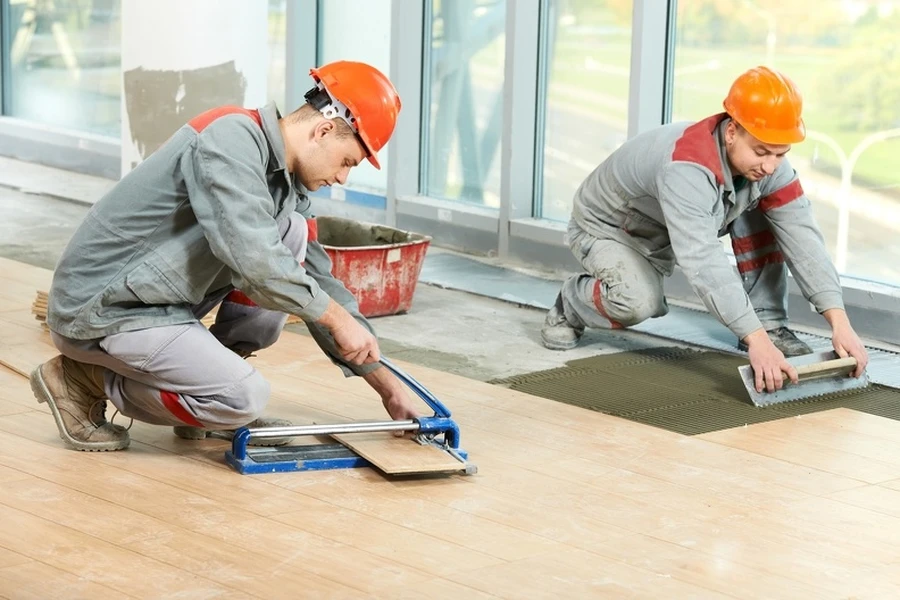
Why Prevention Matters
Repairs fix damage, but good care helps stop new damage from showing up. A repaired area may need time to settle in with the rest of the floor. Heavy foot traffic, pet nails, dirt, and water can wear down the surface fast. Even a strong repair can fail early if the floor is not cared for the right way. This is true for small patch jobs and larger hardwood floor repair work.
Good maintenance also helps your floor keep the same color and shine across the room. When one spot gets too much sun, moisture, or rubbing, it can start to stand out. That can make the repaired area easier to notice. Simple daily and weekly habits can help the whole floor age more evenly.
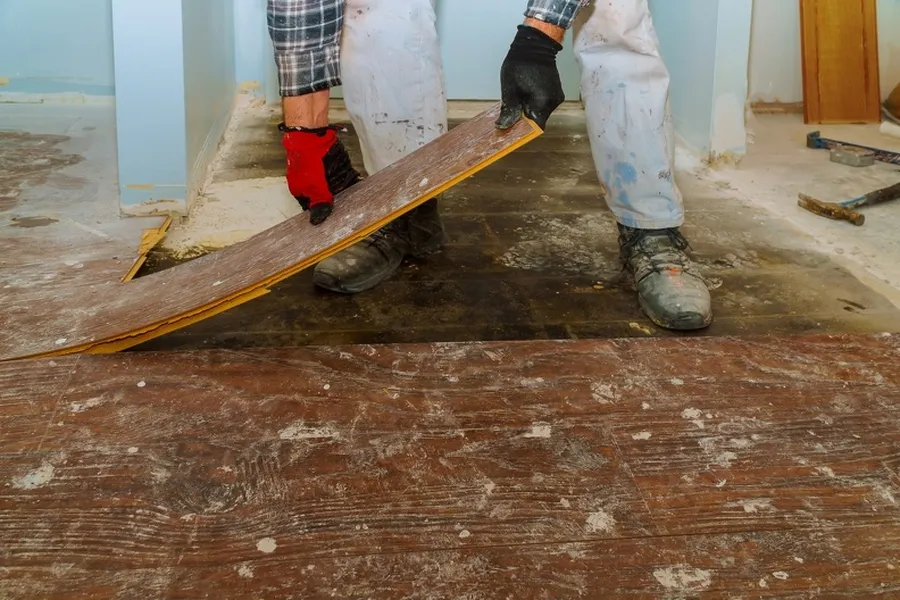
Early Warning Signs
It helps to catch trouble early. Small changes often show up before a bigger repair is needed. If you act fast, you may avoid more sanding, board replacement, or finish work later.
- New scratches or dents in the repaired area
- Boards that squeak more than before
- Gaps that seem wider during dry weather
- Dull patches that do not match the rest of the floor
- Cupping, lifting, or slight movement underfoot
- Water spots or dark marks near sinks, doors, or pet bowls
If you notice one or more of these signs, keep an eye on them. A small issue may be easy to manage at first. If it spreads, it may point to moisture or finish problems under the surface.
Seasonal or Routine Checklist
A simple routine can make a big difference. Hardwood floors react to changes in dirt, humidity, and use. A basic care plan helps protect repaired spots and the floor around them.
- Sweep or dust mop every few days to remove grit
- Clean spills right away with a dry or slightly damp cloth
- Use a hardwood-safe cleaner when the floor looks dirty
- Check felt pads under chairs, tables, and sofas once a month
- Trim pet nails often to help reduce scratches
- Use rugs at entry doors to catch water and dirt
- Watch indoor humidity during very dry or wet seasons
If your service category includes wood floor care as part of a wider home flooring service, ask what cleaning products work best with the finish used during the repair. Not all finishes react the same way to soaps, sprays, or steam.
Best Practices for Long-Term Results
Long-term care is mostly about lowering stress on the floor. Dirt acts like sandpaper. Water can soak into seams. Heavy furniture can press into the finish. Sunlight can fade one section more than another. Each problem seems small alone, but over time they add up.
Try to spread wear across the room. Move rugs once in a while so one part of the floor does not age differently. Rearrange light furniture now and then if you can. Keep direct sunlight lower with curtains during the brightest part of the day. If you have rolling office chairs, use a floor mat made for hardwood.
Another smart step is using the right cleaner in the right amount. Many people use too much water or too much product. That can leave a film or let moisture sit on the boards. A microfiber mop that is only lightly damp is often a better choice than a soaking wet mop. This is one of the easiest ways to protect an area after hardwood floor repair.
What Not to Do
Some cleaning habits can damage the finish or weaken the repair. Even if the floor looks tough, it still needs gentle care. Avoid methods that scrape, soak, or coat the wood with the wrong product.
- Do not use steam mops
- Do not let water sit on the floor
- Do not drag furniture across the room
- Do not use bleach, ammonia, or rough scrub pads
- Do not apply wax unless the floor finish is made for it
- Do not ignore small leaks from doors, sinks, or appliances
It is also a bad idea to guess when touching up a problem spot. A stain, dent, or edge lift may seem easy to fix, but the wrong product can make it worse. Color mismatch is common when store-bought repair kits are used without testing first.
When to Schedule Professional Help
Some issues need more than routine cleaning and care. If a repaired board starts to shift, if the finish peels, or if moisture damage comes back, it is smart to have a professional take a look. The same goes for floors with deep scratches, soft spots, or repeat gaps in the same area.
You may also want help if the repaired section no longer blends with the rest of the room. Sometimes the fix is simple, like a touch-up coat. Other times, the floor may need more detailed hardwood floor repair so the damaged area does not spread. Fast action can help save time and keep the floor looking more even.
Get Help Before Small Floor Problems Grow
If you are in Brooklyn, NY and your floor still does not look or feel right after a repair, give us a call at (347) 892-9016. At Asher-Yisrael Wood Floors and Construction Services, we can help with questions, check problem areas, and recommend the next step for keeping your hardwood floors in good shape.