
Fast Action Helps Floors Last Longer and Keeps Damage From Spreading
Timely hardwood floor repair can save money on bigger repairs later, help your floors last longer, and keep your home safer and better looking. Small cracks, loose boards, dents, and water marks often get worse when they are ignored. A quick fix can stop that damage early. For many property owners in Brooklyn, NY, acting fast also helps protect busy living spaces from wear that builds up day after day.
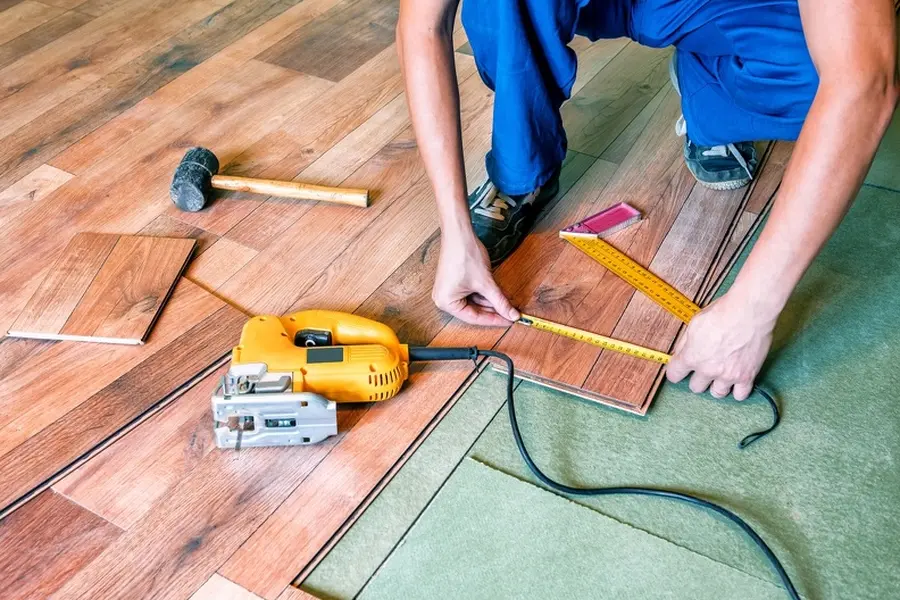
Quick Decision Answer
If you catch floor damage early, repair is often the better choice than waiting or replacing large sections right away. Early hardwood floor repair usually takes less work, causes less mess, and keeps more of the original floor in place. Waiting too long can lead to deeper damage under the surface. That can turn a small issue into a larger project.
Repair Now Versus Waiting Longer
Many people ask if they should fix the floor now or give it more time. In most cases, early action wins. A small scratch may seem harmless at first. A tiny gap between boards may not look serious. Still, these signs can point to movement, moisture, or wear that keeps going.
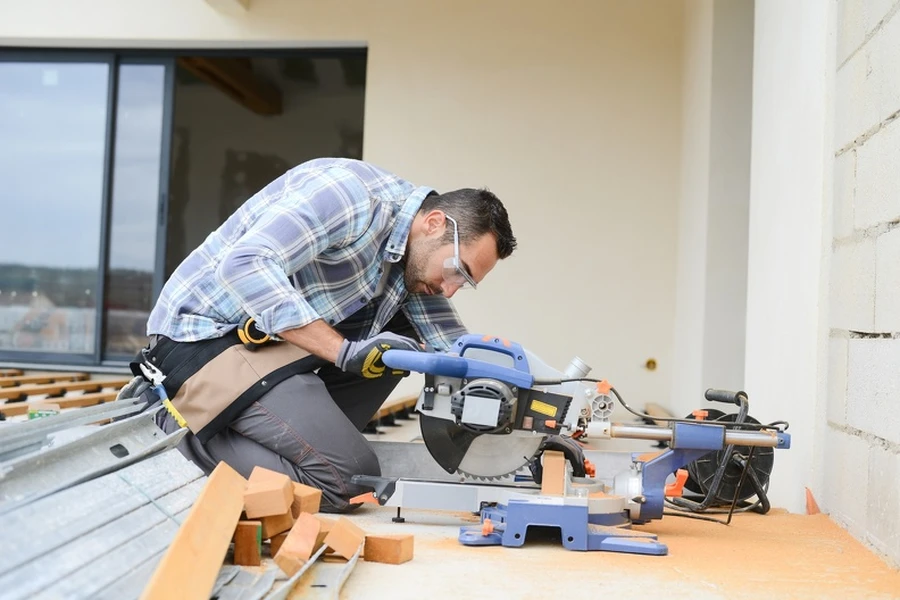
Here is a simple way to compare both choices:
- repair now: helps stop spread, keeps more original wood, and lowers the chance of added damage
- wait longer: may seem easier today, but can lead to warped boards, deeper stains, or loose areas
- repair now: often works well for single spots or limited damage
- wait longer: may lead to sanding, board replacement, or subfloor checks later
This also applies to work in the wider service category. Even though the category name is not listed here, the same idea holds true for floor surface care. Small issues are usually easier to fix than large ones.
Pros and Cons of Acting Early
There are clear benefits to timely hardwood floor repair. It protects the look of the wood and can help match the repaired area more closely to the rest of the floor. It can also reduce trip risks from lifted or uneven boards. Fast repairs may also help stop dirt and moisture from getting into cracks.
There can be a few limits too. Some early repairs need a close color match, and very old floors may show wear in many places at once. In that case, a spot fix may help for now, but a larger plan may still be needed later. Even so, taking care of one bad area is often better than letting it spread.
- pros: protects appearance, limits spread, supports safety, and may lower long-term repair needs
- cons: some repairs need stain matching, and hidden damage may still need more work
Best Fit by Floor Problem
Early hardwood floor repair is a strong choice when damage is still limited. This is often true for surface scratches, minor dents, one or two loose boards, light water spots, or small gaps. These problems can often be handled before they affect nearby boards.
Waiting is rarely the best option when you see dark stains, soft wood, strong movement underfoot, or boards that lift at the edges. Those are signs the issue may be growing. If pets, kids, or heavy foot traffic are part of daily life, floor damage can spread even faster. In those cases, a quick check makes sense.
Repair may also be the better fit when you want to keep the style and age of the current floor. Many older hardwood floors have character that people want to keep. A targeted fix can help save that look.
Mistakes People Make When Choosing
One common mistake is treating every mark as only a surface problem. A stain may come from water below or from repeated spills. Another mistake is using the wrong cleaner or filler. Some products leave a film, change the color, or make later repairs harder.
People also make the mistake of dragging furniture back over a weak spot after a minor fix. That can reopen the same area. Another issue is waiting until many boards show damage before getting help. At that point, the repair plan may be wider than first expected.
Avoid these common errors:
- ignoring small gaps or movement
- using too much water during cleaning
- trying to sand one area without matching the rest
- covering a problem with rugs instead of checking it
- putting off hardwood floor repair after a leak or spill
Final Decision Checklist
If you are not sure what to do next, use a simple checklist. Look at the size of the damage, how long it has been there, and whether it is spreading. Press lightly on the area. Listen for squeaks. Check for changes in color, shape, or feel. Think about what caused it. If water was involved, move faster.
- is the damage small and limited to one area?
- has the spot changed in the last few weeks?
- do the boards feel loose, soft, or uneven?
- was there a spill, leak, or pet accident?
- do you want to keep the current floor instead of replacing more of it?
If you answer yes to any of these, timely hardwood floor repair is often the smart next step. Fast attention can keep the problem small and protect the rest of the room.
Get Help Before Small Floor Issues Grow
We help property owners spot damage early and choose the right fix for their floors. In Brooklyn, NY, small floor problems can grow fast when they are ignored. Reach out to Asher-Yisrael Wood Floors and Construction Services to talk about the next step, or call (347) 892-9016 and let us help you protect your floors with a clear, practical plan.